

What a forensic psychiatrist evaluates in a sentencing or mitigation case
How psychiatric, developmental, cognitive, and treatment factors may inform sentencing and mitigation
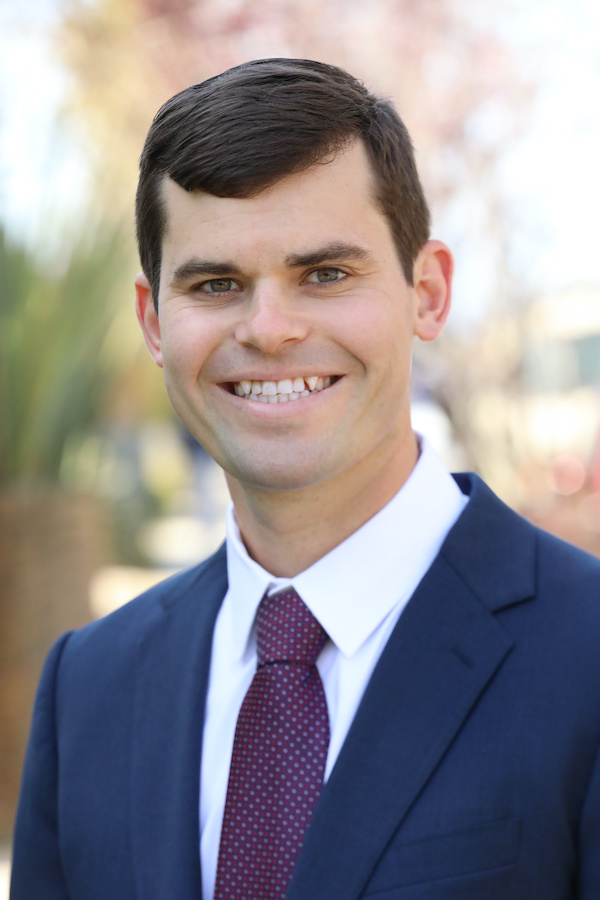
Dr. MacIntyre is dual board-certified in general and forensic psychiatry by the American Board of Psychiatry and Neurology. He holds medical licenses in California and New York. He has been qualified as an expert witness and provided testimony in jury trials, bench trials, and depositions across criminal and civil matters in California Superior Courts, with experience spanning competency evaluations, criminal responsibility, violence risk, and civil psychiatric injury.
Dr. MacIntyre serves as a panel psychiatrist for the Los Angeles County and Fresno County Superior Courts and conducts forensic psychiatric evaluations at the Veterans Affairs Greater Los Angeles Healthcare System. He is a Qualified Medical Examiner (QME) certified by the State of California and an expert reviewer for the Medical Board of California. His forensic work includes evaluations of professional fitness, psychiatric impairment, and physician licensing matters.
He is core faculty and Assistant Program Director of the UCLA Forensic Psychiatry Fellowship at the David Geffen School of Medicine, where he trains the next generation of forensic psychiatrists. His peer-reviewed publications address criminal responsibility, neuroethics, artificial intelligence in psychiatry, psychedelic medicine, and forensic evaluation methodology — work that reflects sustained scholarly engagement with the issues most likely to arise in complex litigation.
Dr. MacIntyre provides forensic psychiatric consultation, evaluations, expert reports, and testimony in criminal, civil, employment, regulatory, and other medical-legal matters. He works with attorneys, courts, physicians, healthcare organizations, insurers, and other professionals in California and nationally. His opinions are grounded in current clinical science, the applicable legal standard, and established ethical principles.
Competency to stand trial, enter a plea, proceed pro se, testify, or waive Miranda rights.
Criminal responsibility, evaluations in aid of sentencing, the presence and effect of psychiatric disorders, response to treatment interventions, and violence risk assessment.
Testamentary capacity, capacity to make medical or financial decisions, conservatorship and guardianship evaluations, and other civil competency questions.
Psychiatric diagnosis, functional impairment, causation, apportionment, the relationship between symptoms and alleged events, independent psychiatric examinations, and record review.
Fitness-for-duty evaluations, workplace violence and threat assessment, ADA-related psychiatric questions, and alleged psychiatric effects of harassment or other workplace events.
Fitness, impairment, professional conduct, licensing, and other psychiatric questions involving physicians and healthcare professionals.
Psychiatric malpractice and standard-of-care questions, review of psychiatric and medical expert reports and testimony, and evaluation of expert methodology under Frye and Daubert.
This is not a complete list. Dr. MacIntyre also accepts other matters involving psychiatric questions.
Dr. MacIntyre is currently accepting new forensic psychiatric matters.
For a brief preliminary case discussion before formal retention, contact Dr. MacIntyre to describe the legal question, anticipated scope, and relevant timeline.
How psychiatric, developmental, cognitive, and treatment factors may inform sentencing and mitigation
Psychosis and legal insanity are related, but not interchangeable
How psychiatric expertise may help clarify competency, prior expert work, and other mental health issues in appeals and post-conviction cases
Peer-reviewed scholarship by Dr. MacIntyre. His complete curriculum vitae is available on request.
Michael R. MacIntyre, Digital Health,
Michael R. MacIntyre, Manish A. Fozdar, and Mohan Nair, Journal of the American Academy of Psychiatry and the Law,
Michael R. MacIntyre et al., Behavioral Sciences & the Law,
Michael R. MacIntyre and Jacob M. Appel, Journal of the American Academy of Psychiatry and the Law,